NASCAR tires don’t have “air pressure” because they’re filled with nitrogen. The culprit responsible for increasing tire pressure during a race is friction. Using dry nitrogen gas helps the team predict how hot the tire will get and how much the pressure will “build” during a race. http://science360.gov/obj/video/11ac7bf2-11dd-4df2-8524-373accf09dbd/science-speed-tires-pressure
The Law Enforcement Officers Killed & Assaulted (LEOKA)

This data is collected and published annually by the Federal Bureau of Investigation to provide information on the law enforcement officers who were killed feloniously or accidentally as well as of those who were assaulted while performing their duties.
SOME BASIC THOUGHTS ON DRIVING FAST
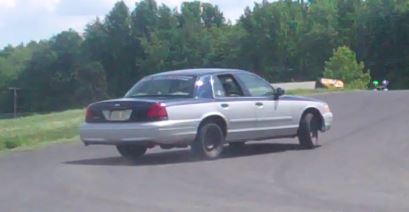
Training to avoid an emergency is difficult for both the student to learn and the instructor to teach. First and foremost all those advantages we have when driving through a corner are gone. When the officer is confronted with an emergency the amount of turning, steering and braking that is needed to get out of […]
Using the Vehicle’s Capability
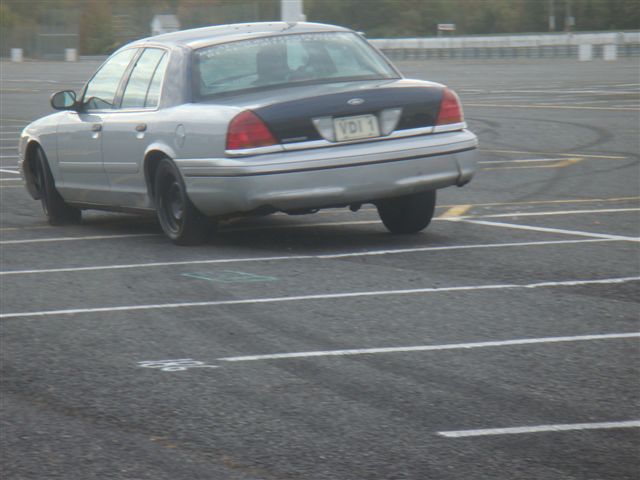
There may be a time when as a police officer you will have to drive fast. Driving fast in a straight line is not much of a problem, but life can get exciting real quick if, at high speeds, you have to stop or drive through a corner. Studies have shown that while cornering (or making an emergency maneuver), the average driver can use only 40 % to 55 % of the car’s capability. This does not mean they lose control; it means they can no longer put the vehicle where they want to put the vehicle.
Time – Distance and Training
When you are driving on patrol, you are managing time and distance. We measure time and distance by using the car’s speedometer which indicates speed measured in miles per hour (mph), the time it takes to cover a given distance. It’s a natural unit of reference that everyone is familiar with in driving discussions. But for EVOC training it may not be the best reference for measuring time and distance.